Comprehensive Cardiac Testing in Hackensack, NJ
Cardiac Testing in Hackensack, NJ
Your heart works hard every single day, and when something feels off, getting the right answers quickly can make all the difference. Cardiac testing is the foundation of cardiovascular care, giving your cardiologist the information needed to detect heart disease, identify abnormalities, and develop a treatment plan tailored to your unique needs. From a simple EKG to advanced nuclear stress imaging, the right test depends on your symptoms, risk factors, and medical history.
Advanced Cardiovascular Interventions (ACI) offers a comprehensive range of cardiac testing services right here in Hackensack, NJ. Under the care of Dr. Hamid Nia, patients receive thorough, personalized evaluations in a welcoming, all-in-one practice where every test is performed in-house. There is no need to travel to a separate imaging facility or testing center — Dr. Nia and his team handle everything under one roof. Whether you've been referred for a specific test or are simply looking to stay on top of your heart health, ACI is here for you. Request an appointment today.
Echocardiogram Testing at ACI
Echocardiogram
An echocardiogram is a noninvasive ultrasound of the heart that produces real-time images of the heart's structure and function. It allows Dr. Nia to evaluate the size and shape of the heart, the function of its valves, and how well the heart muscle is pumping blood. Echocardiograms are one of the most informative cardiac tests available and are used to diagnose a wide range of conditions, including heart failure, valve disease, and cardiomyopathy. The test is painless, requires no radiation, and is performed in-house at ACI.
LEARN MORE
Stress Testing at ACI
Stress Tests
A stress test — also known as an exercise stress test — evaluates how your heart performs under physical exertion. During the test, you will walk on a treadmill while your heart rate, blood pressure, and EKG are continuously monitored. Stress tests are commonly used to detect coronary artery disease, assess exercise tolerance, and evaluate symptoms such as chest pain or shortness of breath that occur during activity. Dr. Nia uses stress test results to guide diagnosis and determine whether additional cardiac testing is needed.
LEARN MORE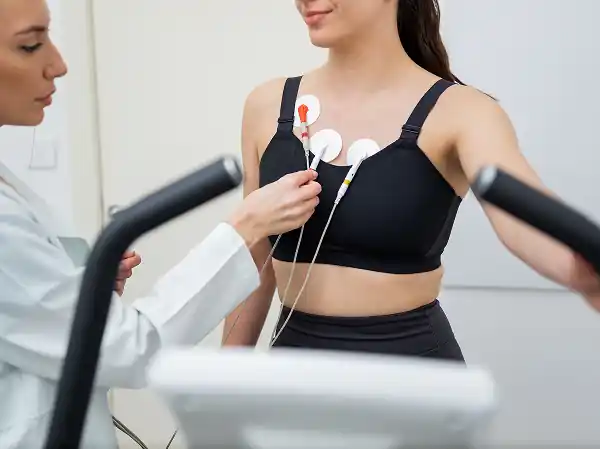
Stress Echocardiogram Testing at ACI
Stress Echocardiogram
A stress echocardiogram combines the physical demands of a traditional stress test with the detailed imaging of an echocardiogram. Ultrasound images of the heart are taken before and immediately after exercise, allowing Dr. Nia to compare how the heart functions at rest versus under stress. This combined approach provides a more complete picture of heart health than either test alone and is particularly effective at identifying areas of the heart that may not be receiving adequate blood flow during exertion.
LEARN MORE
Nuclear Stress Testing at ACI
Nuclear Stress Tests
A nuclear stress test uses a small amount of radioactive tracer and specialized imaging technology to evaluate blood flow through the heart both at rest and during stress. It is one of the most accurate noninvasive tools available for detecting coronary artery disease and identifying areas of reduced blood flow. Dr. Nia is board-certified in nuclear cardiology and brings extensive expertise to the interpretation of nuclear cardiac imaging. For patients whose symptoms require a deeper level of evaluation, a nuclear stress test may provide the answers that other tests cannot.
LEARN MORE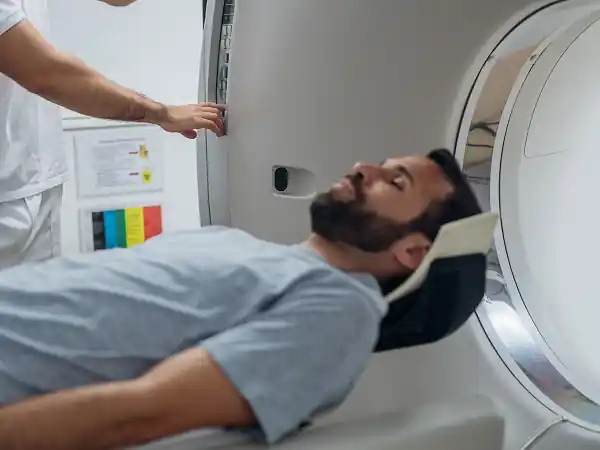
EKG Testing at ACI
EKG
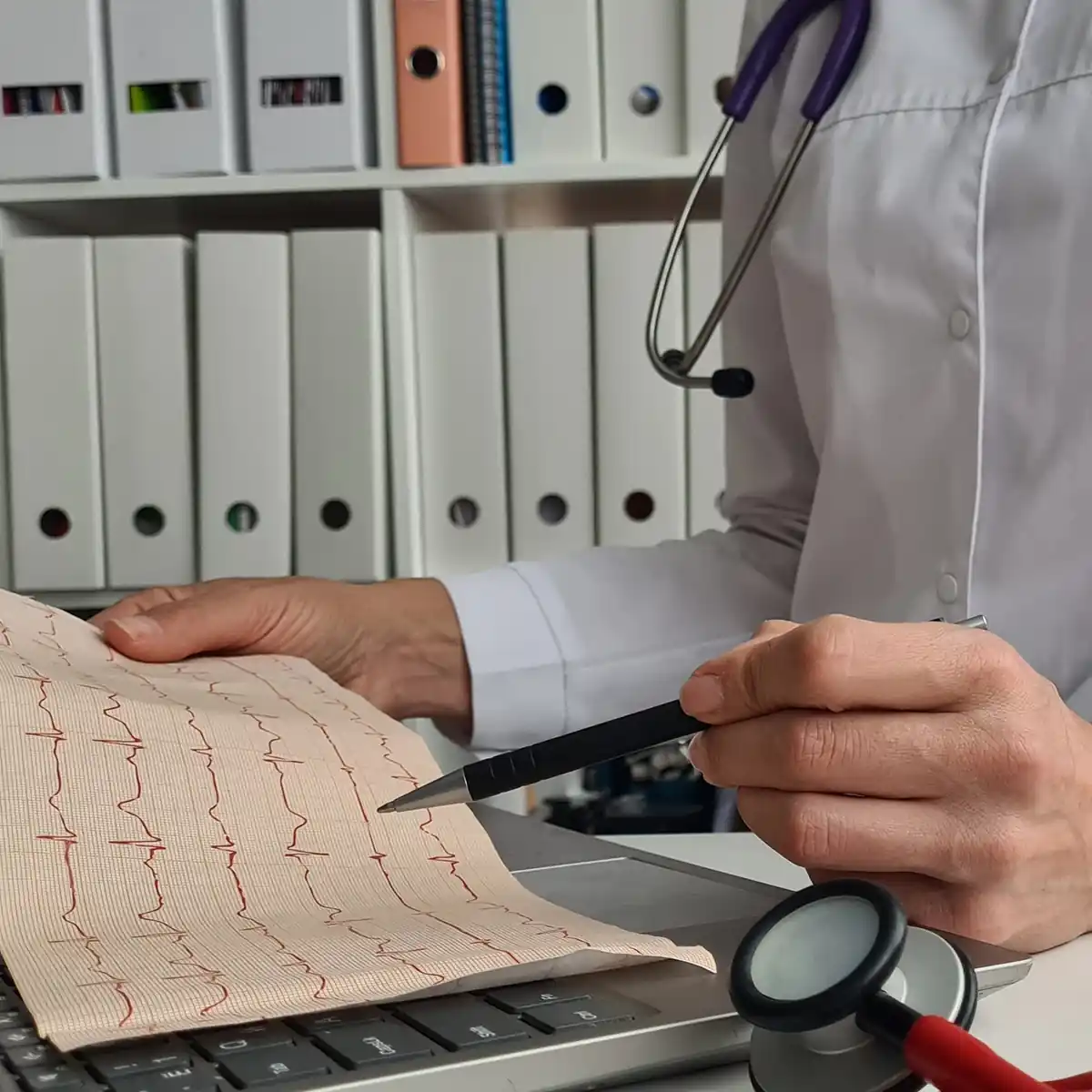
An EKG — or electrocardiogram — is a quick, painless test that measures the electrical activity of your heart. Electrode patches are placed on the skin to detect electrical signals, which are recorded as a waveform tracing that Dr. Nia analyzes for irregularities. An EKG can identify arrhythmias, signs of a prior heart attack, conduction abnormalities, and more, all in under ten minutes. It is often one of the first tests performed as part of a cardiac screening evaluation and serves as a valuable baseline for ongoing cardiovascular care.
LEARN MORE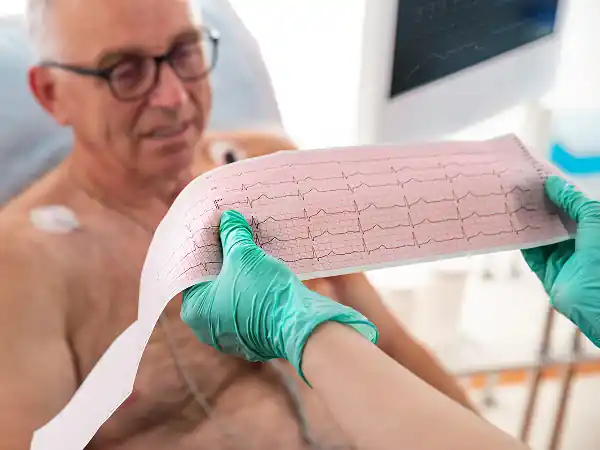
Holter Monitor Testing at ACI
Holter Monitors
A Holter monitor is a portable device worn continuously for 24 to 48 hours that records the heart's electrical activity throughout your normal daily routine. Unlike a standard EKG, which captures only a brief snapshot, a Holter monitor provides an extended window of data — making it ideal for detecting arrhythmias and other rhythm abnormalities that occur intermittently. Patients are asked to keep a symptom diary during the monitoring period so that Dr. Nia can correlate any rhythm changes with the symptoms they experienced.
LEARN MORE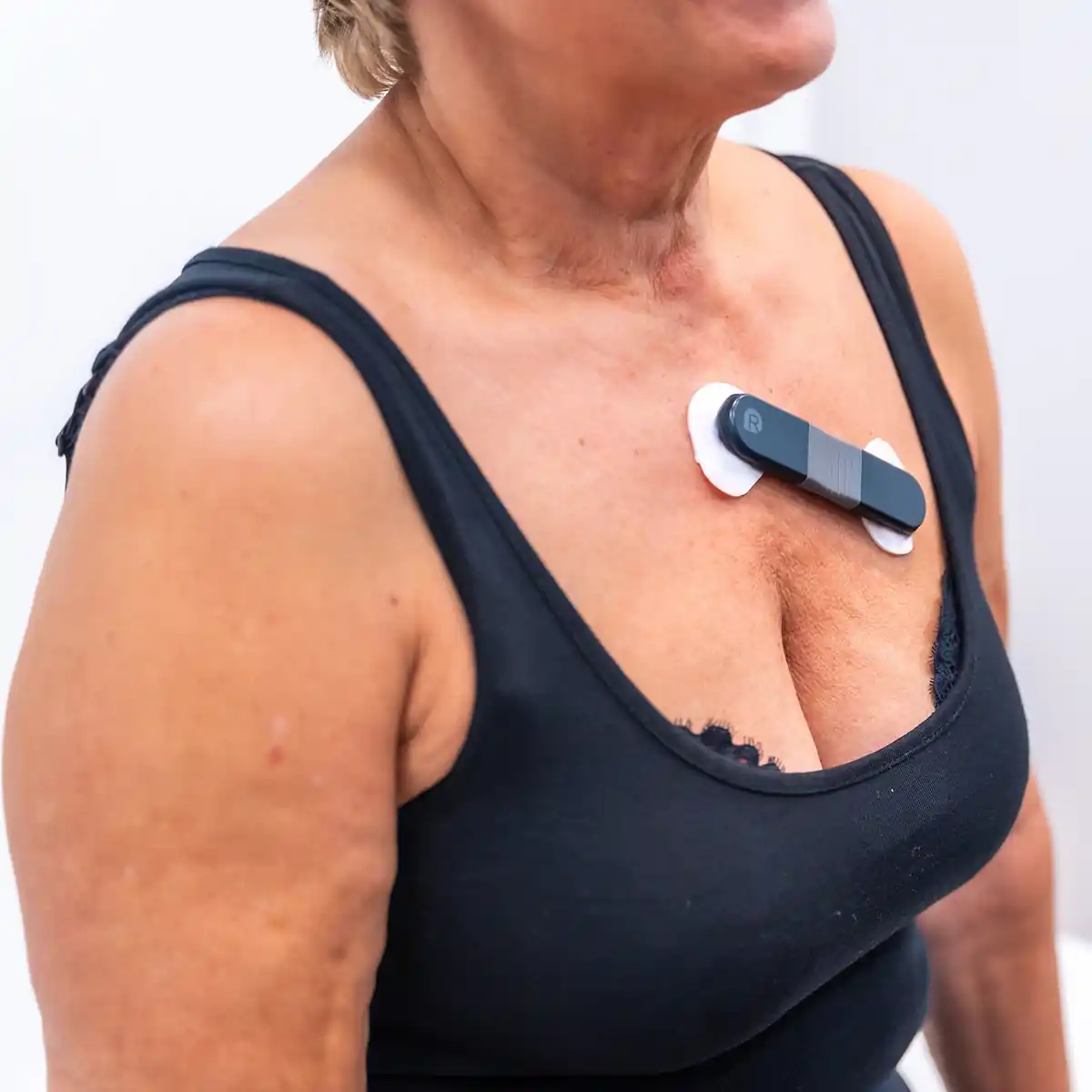
Long-Term Cardiac Monitoring at ACI
Long-Term Cardiac Monitoring
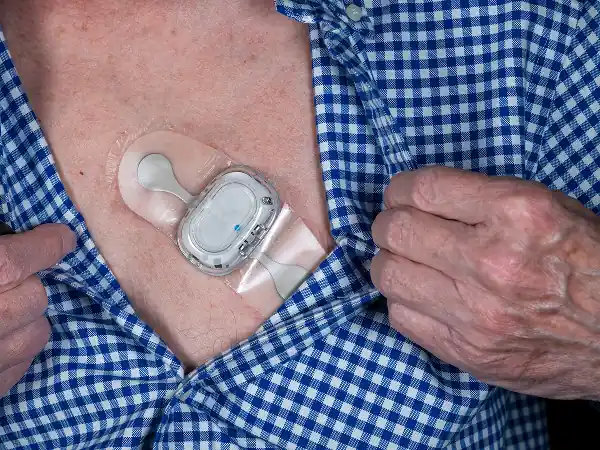
For patients whose symptoms occur infrequently or unpredictably, a standard Holter monitor may not capture enough data to reach a diagnosis. Long-term cardiac monitoring extends the recording period beyond 48 hours — sometimes for weeks or months — using a wearable or implantable device that continuously tracks heart rhythm over time. Dr. Nia will recommend the most appropriate long-term monitoring solution based on the frequency of your symptoms and your individual health profile, ensuring that even the most elusive arrhythmias have the best chance of being detected.
LEARN MORE