Continuous Heart Rhythm Monitoring in Hackensack, NJ
Long-Term Cardiac Monitoring in Hackensack, NJ
Some heart conditions don't reveal themselves during a routine office visit or a standard EKG. If you've been experiencing symptoms like palpitations, dizziness, or unexplained fainting that come and go unpredictably, short-term cardiac tests may not capture the full picture. Long-term cardiac monitoring extends the observation window — sometimes for weeks or even months — giving Dr. Hamid Nia the continuous data needed to detect even the most elusive heart rhythm abnormalities and make an accurate diagnosis.
Advanced Cardiovascular Interventions (ACI) offers long-term cardiac monitoring services as part of a comprehensive range of cardiac testing options in Hackensack, NJ. Dr. Nia takes a thorough, individualized approach to cardiovascular monitoring, carefully reviewing your symptoms and medical history to determine the most appropriate monitoring strategy for your situation. If standard testing has left your symptoms unexplained, long-term cardiac monitoring may be the next step toward getting the answers you need. Request an appointment today.
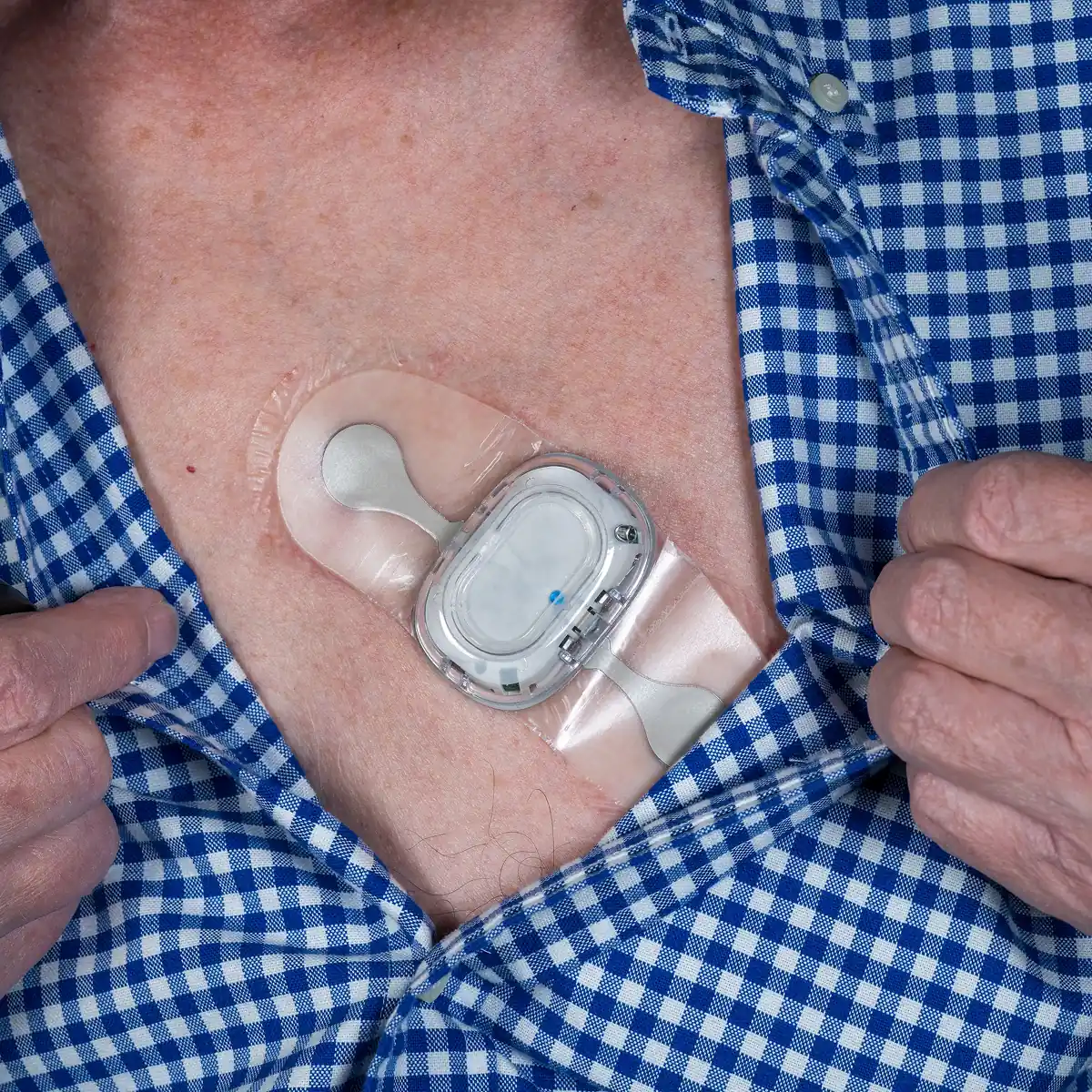
Long-Term Heart Monitoring Options at ACI
Long-Term Cardiac Monitoring Services at ACI
Depending on the frequency of your symptoms and your overall health profile, Dr. Nia may recommend one of several long-term cardiac monitoring approaches:
Extended Holter Monitoring
A standard Holter monitor records heart activity for 24 to 48 hours, but in some cases, a longer recording period is needed. Extended Holter monitoring uses the same wearable device technology over a period of 72 hours or longer, providing a broader window of data for Dr. Nia to analyze. This option is particularly useful when symptoms occur several times per week but are not frequent enough to be captured by a standard Holter monitor.
Event Monitors
An event monitor is a portable heart monitoring device worn for up to 30 days. Unlike a Holter monitor, which records continuously, an event monitor is typically activated by the patient when symptoms occur — or in some cases, automatically triggered when the device detects an abnormal rhythm. Event monitors are ideal for patients whose symptoms occur infrequently and unpredictably, as they allow Dr. Nia to capture a recording of exactly what the heart is doing at the moment symptoms arise.
Implantable Loop Recorders
For patients whose symptoms are very infrequent — occurring only once every few weeks or months — an implantable loop recorder (ILR) may be the most effective monitoring solution. An ILR is a small device placed just beneath the skin that continuously records heart rhythm for up to three years, transmitting data wirelessly to Dr. Nia for remote review. It is the gold standard for long-term cardiovascular monitoring and is particularly valuable for diagnosing unexplained fainting and cryptogenic stroke.
Understanding Long-Term Cardiac Monitoring & What It Reveals
What Does Long-Term Cardiac Monitoring Detect?
Long-term cardiac monitoring is designed to capture heart rhythm abnormalities that occur too infrequently to be detected by shorter-term tests. It is commonly used to identify:
- Atrial fibrillation (AFib): an irregular, often rapid heart rhythm that significantly increases the risk of stroke and heart failure
- Supraventricular tachycardia (SVT): episodes of rapid heart rate originating above the heart's lower chambers
- Bradycardia: an abnormally slow heart rate that may cause fatigue, dizziness, or fainting
- Premature ventricular contractions (PVCs): extra heartbeats that disrupt the normal rhythm and may cause a fluttering or pounding sensation
- Heart block: a delay or disruption in the electrical signals that coordinate the heartbeat
- Unexplained syncope: fainting episodes that may be caused by a brief but dangerous disruption in heart rhythm
If your symptoms have not been explained by a standard EKG or Holter monitor, Dr. Nia will work with you to determine the most appropriate long-term monitoring strategy.
Frequently Asked Questions
How Does a Heart Monitor Work?
A cardiac monitor works by detecting the electrical signals produced by your heart with each beat, using electrode patches placed on the skin or, in the case of an implantable device, sensors positioned beneath the skin. These signals are recorded continuously and stored in the device for later analysis, or transmitted wirelessly to Dr. Nia's team for remote review. By examining the recorded data alongside your symptom diary, Dr. Nia can identify any correlation between rhythm abnormalities and the symptoms you experienced, leading to a more accurate and complete diagnosis.
Who Is a Candidate for Long-Term Cardiac Monitoring?
Long-term cardiac monitoring is typically recommended for patients who have been experiencing unexplained cardiac symptoms — such as palpitations, dizziness, shortness of breath, or fainting — that have not been captured by shorter-term tests. It may also be recommended for patients who have been diagnosed with a condition such as atrial fibrillation to monitor the effectiveness of treatment over time, or for those who have experienced a cryptogenic stroke and need evaluation for an underlying arrhythmia. Dr. Nia will evaluate your individual situation and recommend the monitoring approach best suited to your needs.
What Is the Difference Between a Holter Monitor and Long-Term Cardiac Monitoring?
A Holter monitor is typically worn for 24 to 48 hours and provides a continuous recording of heart activity over that short period. Long-term cardiac monitoring extends this window significantly, from several weeks with a wearable event monitor to up to three years with an implantable loop recorder. The right choice depends on how frequently your symptoms occur and what level of detail Dr. Nia needs to make an accurate diagnosis.
Where Can Patients Find Long-Term Cardiac Monitoring Near Hackensack, NJ?
ACI is located at 363 Prospect Ave in Hackensack, NJ — just look for the big green house. The office is on the first floor with convenient parking and elevator access, making every visit easy and comfortable. We offer online scheduling, and Dr. Nia and his team are ready to welcome you. Request an appointment today. We look forward to seeing you.