Continuous Heart Rhythm Monitoring in Hackensack, NJ
Holter Monitor Test in Hackensack, NJ
If you've been experiencing palpitations, dizziness, or an irregular heartbeat, a single EKG reading may not be enough to capture what's going on with your heart. A Holter monitor is a small, portable device that continuously records your heart's electrical activity over a period of 24 to 48 hours or longer, allowing your cardiologist to detect rhythm abnormalities that may only occur occasionally and might otherwise go unnoticed during a brief in-office test.
Advanced Cardiovascular Interventions (ACI) offers Holter monitor testing as part of a comprehensive suite of cardiac testing services in Hackensack, NJ. Under the care of Dr. Hamid Nia, patients receive thorough, personalized cardiac screening in a welcoming environment where every concern is taken seriously. If you've been referred for a Holter monitor test or are experiencing unexplained cardiac symptoms, ACI is ready to help you find answers. Request an appointment today.
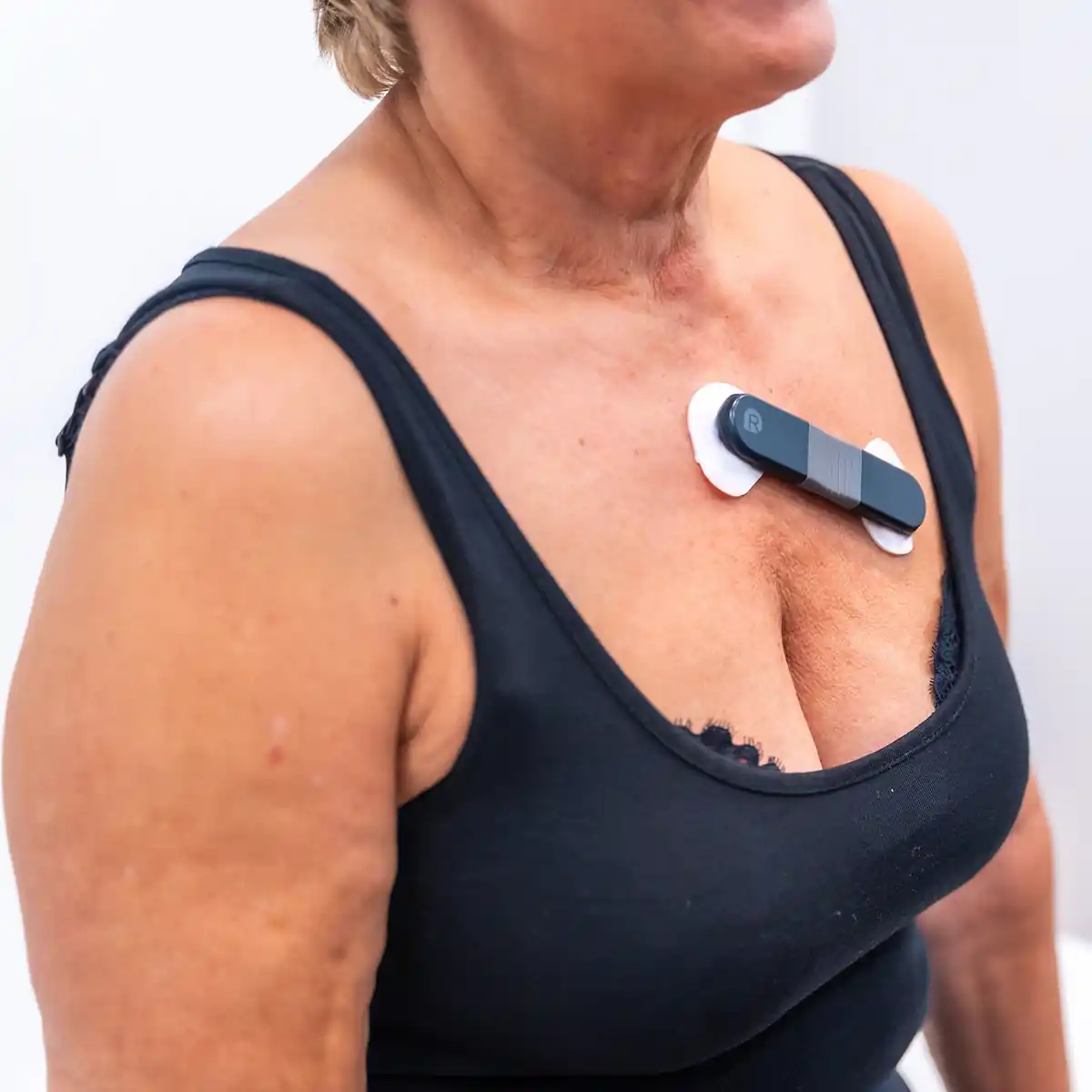
How a Holter Monitor Test Works at ACI
What to Expect From a Holter Monitor Test
Getting set up with a Holter monitor is quick and straightforward. Here is what most patients can expect:
- At your appointment: Dr. Nia or a member of the ACI team will attach a series of small electrode patches to your chest. These electrodes connect to the Holter monitor — a lightweight device about the size of a small camera — which you will wear on a strap or clip to your clothing.
- During the monitoring period: You will go about your normal daily activities while the device continuously records your heart's electrical activity. You will be asked to keep a diary noting any symptoms you experience, such as palpitations, dizziness, or shortness of breath, along with the time they occur.
- Returning the device: After the monitoring period is complete, you will return the device to ACI. Dr. Nia will then analyze the recorded data and correlate any rhythm changes with the symptoms you noted in your diary.
- Results review: Dr. Nia will discuss his findings with you and explain what the data means for your cardiovascular health and next steps.
The Holter monitor is worn continuously, including during sleep, but most patients find it easy to adapt to during the monitoring period.
What a Holter Monitor Can Detect & Who May Need One
What Does a Holter Monitor Detect?
A Holter monitor is one of the most effective tools available for identifying heart rhythm abnormalities that occur intermittently. It is commonly used to detect:
- Atrial fibrillation (AFib): an irregular, rapid heart rhythm that can increase the risk of stroke and heart failure
- Bradycardia: an abnormally slow heart rate that may cause fatigue, dizziness, or fainting
- Tachycardia: an abnormally fast heart rate, which can sometimes signal an underlying cardiac condition
- Premature heartbeats: extra or skipped beats that may feel like a fluttering or pounding sensation in the chest
- Heart block: a delay or disruption in the electrical signals that coordinate the heartbeat
Dr. Nia may recommend a Holter monitor test if you have been experiencing unexplained symptoms, if a prior EKG has returned inconclusive results, or as part of a broader cardiac screening evaluation. For symptoms that occur less frequently, long-term cardiac monitoring or an implantable loop recorder may be recommended instead.
Frequently Asked Questions
What Is a Holter Monitor?
A Holter monitor is a portable, wearable cardiac monitoring device that continuously records the electrical activity of your heart over an extended period — typically 24 to 48 hours, though some monitoring periods may last longer. It is named after its inventor, Dr. Norman Holter, and has been a cornerstone of cardiac screening for decades. The data captured by the device is analyzed by Dr. Nia to identify any irregular heart rhythms or abnormalities that may be contributing to your symptoms.
How Long Do You Wear a Holter Monitor?
Most patients wear a Holter monitor for 24 to 48 hours, though the monitoring period may be extended to 72 hours or longer depending on the frequency of your symptoms and Dr. Nia's clinical judgment. You will wear the device continuously throughout the monitoring period, including while sleeping. Activities such as showering may be limited depending on the specific device used, and Dr. Nia's team will provide clear instructions on what to avoid during monitoring.
How Does a Holter Monitor Work?
A Holter monitor works by detecting and recording the electrical signals produced by your heart with each beat through electrode patches placed on your chest. These signals are stored in the device and later downloaded and analyzed by Dr. Nia. By reviewing the full recording alongside your symptom diary, Dr. Nia can identify any correlation between rhythm changes and the symptoms you experienced — providing valuable insight that a short in-office EKG simply cannot capture.
Where Can Patients Find a Holter Monitor Test Near Hackensack, NJ?
ACI is located at 363 Prospect Ave in Hackensack, NJ. Just look for the big green house. The office is on the first floor with convenient parking and elevator access, making every visit easy and comfortable. We offer online scheduling, and Dr. Nia and his team look forward to welcoming you. Request an appointment today — we can't wait to see you.